
Long-Distance Relationship with Kids Involved
There is so much on the internet about long-distance relationships (LDRs). How to keep them from falling apart, how to stay connected, whether you have to touch base every day or if you can let a few days go by without it causing havoc to your relationship.
LDRs are hard, we miss each other so all this advice is helpful, albeit disorganised sometimes. But what do you call an LDR with kids? A word doesn’t really exist. I call it a multi-location family.
A multi-location family is a family where one parent regularly lives or works away from home due to international assignments (unaccompanied postings, non-family duty stations), short-term assignments, diplomatic work, rotational work, military service, aviation, humanitarian work, or frequent travel.
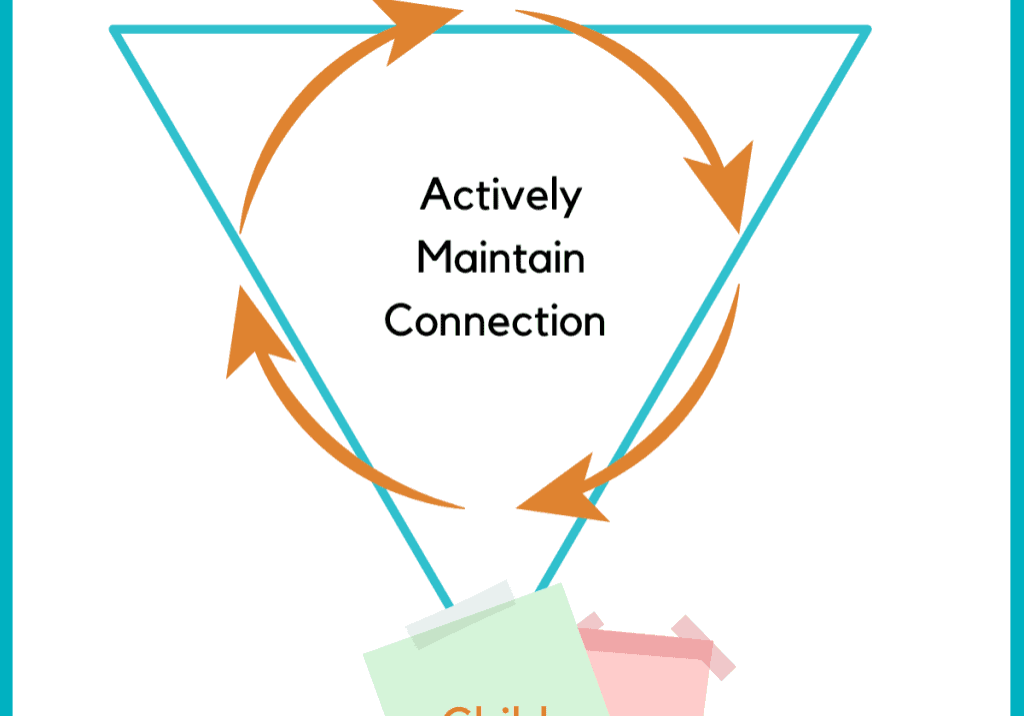
Long-distance relationships with children are not sustained by love alone. Families where one parent works away from home need intentionality, emotional security, and a shared sense of identity. These three foundations are at the heart of the Apart but Together framework for globally mobile and frequently separated families.
1. Create Emotional Presence, Not Just Communication
In families living with frequent travel, rotational work, international assignments, or long separations, children do not primarily measure connection by the number of calls. They measure it by emotional presence. Distance parenting is a challenge but there are ways for the away parent to show they care.
The parent who is away shows their presence and their care by:
- caring and being very present when home
- working on a special project or shared passion when away and when home
- shared language and inside jokes
- knowing the details of their child’s life (the names of their friends for example or their favourite teacher)
- Leaving in the home visible signs of their presence (toothbrush in the bathroom, shoes and jacket in the hallway closet)
Children thrive when they feel:
- “Both my parents are emotionally available.”
- “Our family still exists even when someone is away.”
This is one of the central ideas explored in Apart but Together, a resource centre for families where one parent works away from home.
2. Build a Joint Life Bigger Than Separation
One of the biggest risks in long-distance family life is drifting into parallel lives:
- one parent carrying daily routines alone
- the travelling parent living in another world
- children adapting differently to each environment
Strong long-distance families intentionally build a shared family identity despite distance.
This includes:
- shared goals and values
- involving the away parent in decisions
- inviting the away parent to share what they want to stay informed about
- creating a family narrative (See Episode 58 How to Create Your Family Story with Lidia Lae)
- creating future plans together
- maintaining couple connection beyond parenting logistics
- the home-based parent speaks positively about the away parent and keeps them present during conversations (for example: it is lunchtime for your dad, I wonder what he is eating now’ or ‘your father would love to see that, show him when you next speak with him’)
Children will feel they belong to one family story, not two disconnected households.
A long-distance relationship with kids works best when the family narrative becomes:
“We are a connected family managing distance together.”
3. Understand the Different Emotional Loads Each Parent Carries
In long-distance family systems, stress rarely looks the same for everyone.
The parent at home may carry:
- mental load
- decision fatigue
- emotional labour
- 24/7 parenting exhaustion
The parent away may carry:
- guilt
- disconnection
- pressure to provide
- fear of missing milestones
Children may alternate between resilience, ambiguous loss and frustration depending on age and developmental stage.
Healthy LDR families do not minimize these realities. They talk about them openly and compassionately.
The strongest couples learn to ask:
- What is hardest for you right now?
- What do you need from me emotionally?
- How do we protect our connection while raising children across distance?
Practical tools for navigating these questions are inside the Apart But Together Resource Centre.
❤️ I’m the home-based partner
- Managing Intense Emotions
- Overcoming Resentment
- Reducing Stress
- Personal Development Plan
- Planting Seeds
- Life Balance Survey
✈️ I’m the travelling partner
- How to Engage Your Child on the Phone
- Coming Home After a Trip
- Connecting While Away
- 25 sticky note messages a parent can leave their child-ren
- Leave the Mental Load at home for travelling mums
👨👩👧 We’re trying to parent across distance
- Parenting Together Workshop and Personal Notebook
- Ideas to Include the Travelling Parent
- Rituals to foster connections before, during and after a trip
- The Distance Parenting Reflection Guide: 10 Questions to Help Dads Stay Connected When Work Takes You Away
💕 We want to strengthen our relationship
- Humour in LDRs
- Strong Couple Workshop and Personal Notebook
- Repairs Across The Distance
- Top Tips for Connecting Across Difficult Timezones
- Maximise Your Phone Calls in LDR
- Playful and easy games for long-distance couples
- Communication Course For Couples Who Spend Time Apart
- Reflection Questions – Being A Strong Couple When Living Apart
- Shared Life Audit
- 25 Questions Every Long-Distance Couple and Split Location Couple Should Discuss
If you are the home-based parent, read How to Find Peace When Your Husband Travels for Work – Rhoda Bangerter
Questions & Answers Section
What is the hardest part of an LDR with children?
One of the hardest parts is balancing emotional presence with the practical realities of distance parenting. The home-based parent often carries the mental load while the travelling parent may struggle with guilt, disconnection and the fear of losing their relationship with their children.
Can long-distance relationships survive with children?
Yes. Many long-distance families build strong and resilient relationships when they prioritise communication, emotional presence, parenting partnership, and intentional connection.
How can parents stay connected to children while working away from home?
Parents working away can stay connected through regular routines, involvement in daily life, video rituals, shared activities, and maintaining emotional presence beyond logistics or discipline conversations. They can follow an acronym called ICAN, developed by Dr Ken Canfield. Intentional Involvement, Consistency, Awareness and Nurturing. You can read more about how it can be applied in distance parenting here.
What do children need most in long-distance family situations?
Children need predictability, reassurance, emotional availability, and a sense that they still belong to one connected family unit despite the distance.

Rhoda Bangerter
Rhoda Bangerter is a coach who has lived abroad with a travelling husband for over 16 years. She helps home based mums and dads live an intentional life and build family togetherness even when their partner is away a lot for work.